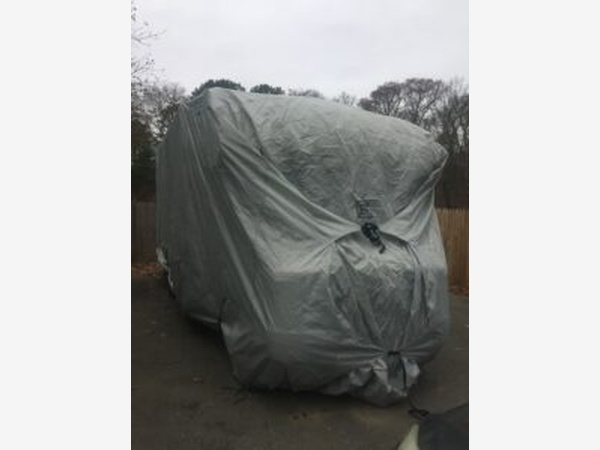
Campground red flags are not always obvious when you are scrolling through polished photographs and short descriptions online.We learned that lesson while RV camping near Philadelphia during one of our city trips.It had hookups and a convenient location, but the setting felt sketchy and was nothing like the camping experience we expected. That stay changed the way we research campgrounds before making a reservation.
The good news is that an imperfect campground does not have to ruin an entire trip. We were still able to visit the Liberty Bell and explore Independence National Historical Park. The experience gave us a memorable family story, but it also revealed a problem many RVers face: a campground listing rarely tells the entire story.
Since then, we have learned to look beyond the star rating. Recent reviews, useful photographs, safe access, accurate amenity descriptions, and clear communication all matter. Here are seven campground red flags we believe RVers should never ignore.
Seven Campground Red Flags
- Reviews are old or inconsistent
- Campsite photos are unclear
- RV acces slooks difficult
- The surroundings raise concerns
- Amenities are vaguely described
- Communication and policies are unclear
The Philadelphia Stay That Changed How We Book Campgrounds
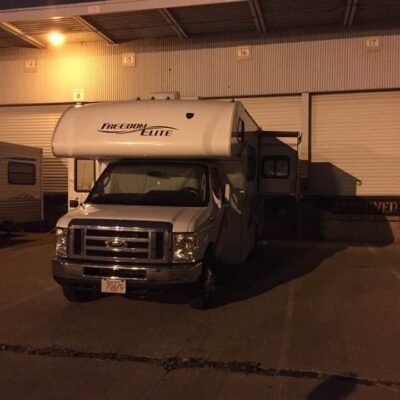
Our Philadelphia stop looked practical during the planning stage. We wanted hookups and a location that would make it easy to reach the sights. The campground checked those boxes, and its location allowed us to walk where we needed to go. On paper, it seemed like a reasonable base for visiting the Liberty Bell and exploring the city.
When we arrived, however, the property felt more like an old loading dock than an RV campground. The surroundings made us uncomfortable, and the actual experience did not match the impression we had formed while booking. We stayed, made the best of it, and enjoyed Philadelphia, but we left with a lasting lesson: convenience and hookups should never be the only factors in a campground decision.
That experience changed how we choose campgrounds. We now use the same research process before every reservation—looking beyond polished listings to determine whether a campground truly fits our RV, route, and comfort level.
Why Campground Research Matters for RVers
An RV is larger and less flexible than a car. Once you arrive at a questionable property, changing plans may mean finding another site that can accommodate your rig, reconnecting utilities, adjusting reservations, and driving unfamiliar roads. During busy weekends or near popular destinations, another campground may not have an opening.
Research cannot guarantee a perfect stay, but it can reveal warning signs before you commit. One campground red flag might simply deserve a phone call. Several warning signs together should make you slow down and consider another option.
Top Seven Campground Red Flags
1. Outdated or Inconsistent Reviews
Old reviews can describe a campground that no longer exists in the same condition. Ownership changes, construction, neglected maintenance, new seasonal residents, and neighborhood changes can completely alter the guest experience. A strong rating built several years ago may hide recent problems.
Read the newest reviews first and look for patterns instead of reacting to one angry comment. Repeated mentions of unsafe conditions, broken utilities, difficult check-in procedures, poor cleanliness, or unresponsive management deserve attention. Compare positive and negative reviews and notice whether recent guests describe the same campground shown in the listing.
What we do now: We concentrate on reviews from the past year, check more than one review platform, and pay close attention to comments from travelers with RVs similar in size to ours.
2. Unclear or Limited Campsite Photos
A campground website filled with pictures of sunsets, swimming pools, and nearby attractions may still tell you very little about the campsite. If you cannot see the roads, site entrances, utility connections, neighboring sites, and space around an RV, you do not have the information needed to judge the property.
Watch for heavily cropped photographs, repeated use of the same premium site, or images that never show an RV fully parked. A beautiful entrance sign does not reveal whether your assigned site is level, whether the awning can open, or whether trees will interfere with the roof.
What we do now: We look for guest photographs, campground maps, satellite views, and videos. If the site still is not clear, we call and ask for a recent photograph of the site or section we would be booking.
3. Difficult Access Roads and Tight Entrances
The campground may be suitable once you are parked, but reaching it can be the hardest part of the stay. Narrow streets, low branches, steep grades, weight restrictions, tight gates, railroad crossings, and crowded urban turns can turn the final mile into the most stressful part of the drive.
Do not assume the normal navigation route is appropriate for an RV. A campground red flag is a listing that provides no RV-specific arrival directions even though the property is located in a city, mountain area, or older neighborhood. Reviews mentioning scrapes, missed turns, or difficult approaches should be taken seriously.
What we do now: We study the last several miles before departure, use the campground’s recommended route, and review potential clearance or turning concerns. We also avoid arriving after dark whenever possible.
4. Unsafe or Uncomfortable Surroundings
A convenient location can place you close to attractions, but it can also put you in an area that does not feel comfortable after dark. Safety concerns are sometimes missing from official campground descriptions, and travelers have different comfort levels. That makes recent guest feedback and street-level research especially valuable.
Look beyond the campground boundary. Consider lighting, fencing, traffic, nearby businesses, pedestrian routes, and whether you would feel comfortable leaving the RV unattended. Trust your instincts when you arrive. If the conditions feel significantly different from what was advertised, speak with management and determine whether staying is the right decision for your family.
What we do now: We review the surrounding area, not just the campground. We also discuss an alternate option before arrival so we are not making every decision under pressure.
5. Misleading Amenity Descriptions
The words full hookups, Wi-Fi, laundry, pool, or shuttle can mean very different things from one campground to another. A campground might technically have Wi-Fi, but only near the office. A pool may be closed for the season. A shuttle may operate only on selected days. Full hookups are not helpful if the electrical pedestal or sewer connection is poorly positioned for your site.
Read the details and verify the amenities that matter most to your trip. If you need reliable power during hot weather, laundry during a long journey, or transportation into a city, do not rely on a symbol or one-line description.
What we do now: We confirm essential amenities directly with the campground and ask whether they will be available during our specific dates.
6. Campsites That May Not Fit Your RV
A campground may accept RVs without accepting every type or length of RV on every site. The listed site length may include space you cannot actually use because of trees, utility placement, tow-vehicle parking, slope, or the angle of approach. Width matters too, especially when slides and awnings are open.
A major campground red flag is vague language such as ‘fits most RVs’ without dimensions or a clear site map. Ask about the usable pad length, width, surface, overhead clearance, and whether your tow vehicle or additional vehicle must fit on the site.
What we do now: We provide our total length, height, slide configuration, and hookup needs when booking. We would rather ask one extra question than discover a fit problem after a long travel day.
7. Poor Communication or Unclear Policies
Communication before the trip often previews what support will be like during the stay. Messages that go unanswered, confusing payment requests, incomplete confirmation emails, and missing cancellation terms should make you pause. You should know where to check in, what time you may arrive, how late arrivals work, and whom to contact if there is a problem.
Policies also affect the experience. Rules concerning pets, visitors, generators, extra vehicles, quiet hours, refunds, and early departures should be available before you pay. Surprises are far less frustrating when expectations are clear on both sides.
What we do now: We keep the written confirmation, campground address, arrival directions, cancellation policy, and after-hours contact information together with our travel plan.
Our Campground Booking Checklist
☐ Read several recent reviews from more than one source.
☐ Look for real guest photos of roads, sites, hookups, and surroundings.
☐ Confirm the site can accommodate the RV, slides, awning, and vehicle.
☐ Review the final approach for low clearances, narrow roads, and tight turns.
☐ Check the surrounding neighborhood and nighttime conditions.
☐ Verify the amenities that are essential for this particular trip.
☐ Read payment, cancellation, pet, visitor, and late-arrival policies.
☐ Save the campground’s address, directions, and emergency contact number.
☐ Identify one backup campground or overnight option when practical.
Want to use this checklist while planning your next trip? Download a free copy and keep it with your RV travel plans.
Frequently Asked Questions
Should one negative review stop me from booking a campground?
Not necessarily. Every campground eventually receives a negative review. Look for repeated concerns in recent reviews and compare them with positive comments. A pattern carries more weight than a single complaint.
How recent should campground reviews be?
Start with reviews from the past year, then place the greatest weight on the most recent season. Conditions can change quickly after new ownership, construction, severe weather, or deferred maintenance.
What should I ask before reserving an RV site?
Confirm the usable site dimensions, surface, hookups, approach, vehicle parking, check-in procedure, cancellation policy, and any amenity that is essential to your stay. Tell the campground your RV’s actual length and slide configuration.
What should I do if a campground feels unsafe when I arrive?
Stay aware of your surroundings, keep everyone together, and speak with campground management. If you believe there is an immediate danger, leave the area and contact the appropriate local authorities. No reservation is more important than personal safety.
Final Thoughts
Our Philadelphia stay was not what we expected, but it became one of the lessons that made us more thoughtful RV travelers. The old loading-dock setting felt sketchy, yet the location still allowed us to walk to the Liberty Bell and enjoy an important part of the trip. Both things can be true: a destination can be memorable while the campground choice teaches you what to do differently next time.
The biggest lesson is to slow down before clicking the reservation button. Campground red flags often appear in the gaps between the marketing language and the information you actually need. Recent reviews, clear campsite photographs, RV-safe access, comfortable surroundings, honest amenity descriptions, proper site dimensions, and responsive communication create a much fuller picture.