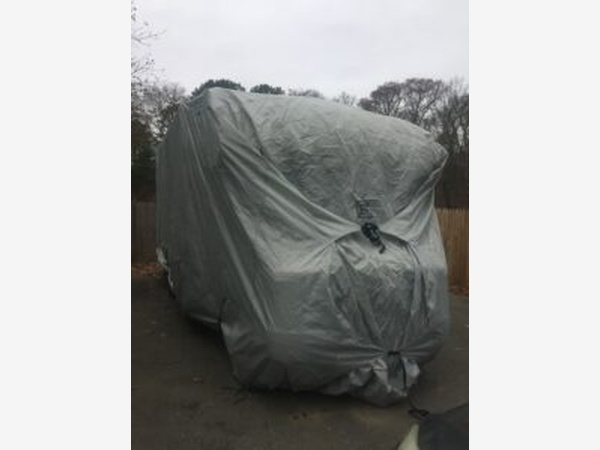
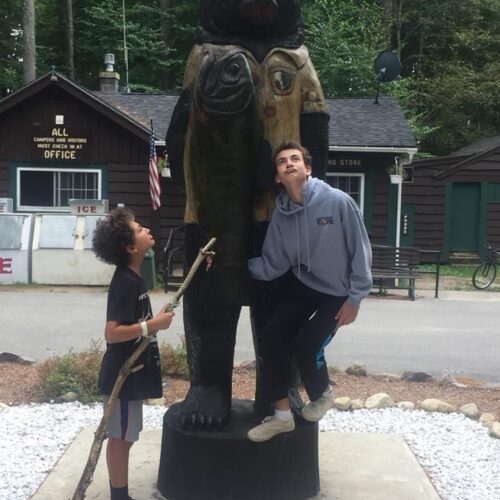
Our family began with tent camping at Bear Brook State Park before moving into a Class C RV. That change eventually took us to the Grand Canyon and made National Parks a lasting part of our lives. Along the way, we learned that first RV trip mistakes are easy to make. Driving a larger vehicle, choosing a campsite that fits, and setting up after a travel day all take more planning than tossing a tent in the car.
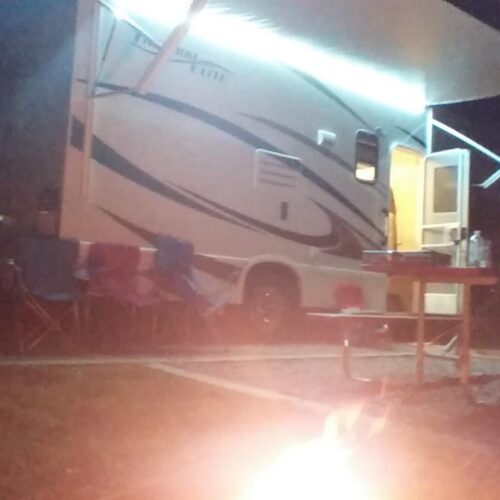
We would not trade those early trips. But if we could plan our first RV trip again, we would give ourselves more room to learn. The first RV trip mistakes we would avoid today come down to a simple idea: make the first outing easy enough that everyone has time to enjoy it. Here is how we would approach that trip now, and what a new RVer can do before turning the key.
Why the first RV trip feels busy
A first trip combines several unfamiliar jobs. You have to learn the RV, plan a route that works for it, understand a campground reservation, pack the right supplies, and arrive with enough energy to set up. Each task is manageable on its own. When they all happen on the same day, small surprises can pile up.
It is tempting to fill the schedule with attractions. We have learned that a calmer start pays off. A first trip is already an adventure, even if the campground is close to home and the itinerary is short.
6 First RV Trip Mistakes—and What We’d Do Instead
1. Making the first drive day too ambitious
A distance that looks ordinary in a car feels different in an RV. Fuel and meal stops take longer. Traffic or a late departure can push a planned afternoon arrival into the evening. Then the whole family has to learn the campsite in fading light.
Today, we would pick a manageable first destination and work backward from check-in. We would add time for stops and aim to pull in while we can clearly see the site. A shorter first drive gives you the chance to solve little questions without feeling as though the trip is already behind schedule. Save the marathon travel day for after you know your own pace.
2. Assuming every campsite fits the RV
“RV site” does not tell you enough. A site might fit the length of your vehicle but have a tight approach, an awkward utility location, or space that is difficult to use once the slides and outdoor gear are out. A campground photo can also show a different site from the one you reserved.
Before booking, we would confirm our total RV length and compare it with the specific site details. We would look at whether the site is back-in or pull-through, check the electrical service and other hookups, and read the campground’s arrival instructions. When something is unclear, a quick call can prevent a frustrating arrival. Our post on campground red flags offers more questions to ask when photos and descriptions do not tell the whole story.
3. Packing for every possibility
It is easy to fill an RV with items that seem useful “just in case.” The result is clutter in a small living space, more time spent searching for essentials, and extra weight you need to account for. You can also forget essential setup equipment.
We would start with the basics: items needed to travel safely, sleep, prepare simple meals, use the bathroom, and connect at the campsite. Then we would plan around the actual weather and activities for that trip. After coming home, we would note what we used, what we missed, and what never left the cabinet. That short review turns a generic packing list into a list that fits your RV and your family. Keep the vehicle’s weight limits in mind as you load it.
4. Arriving without a setup routine
The most important time to slow down may be the last few minutes of the drive. When you are eager to park, it is tempting to start backing in before checking the whole site. Branches, posts, uneven ground, or a poorly placed utility pedestal are easier to spot on foot than from the driver’s seat.
Our approach today would be to stop, walk the site, and decide where the RV should sit before moving into place. Once parked, we would level and stabilize as directed by the RV manufacturer, then connect the utilities in an order we can repeat. A final walk around helps catch a loose connection or something left in the path of a slide. If you are building your own routine, see our RV arrival and campsite setup post. Our free RV Adventure Guide also includes an arrival checklist you can keep handy.
5. Trying to see everything on the first outing
One reason we love RV travel is the freedom to stop and explore. That freedom disappears when every hour is assigned to a drive, a tour, or an attraction. With children along, a packed day can leave everyone tired just when there is time to enjoy the campground. Even on a couple’s trip, moving too quickly can make a beautiful place feel like another item to check off.
We would choose one main activity for each day and leave open time around it. A walk, a campfire, or an unplanned stop can become the memory people talk about later. The Grand Canyon began our National Park journey, but the lesson applies just as much to a nearby weekend: leave enough space to notice where you are.
6. Trusting the fastest route without checking the RV route
A map app is useful for estimating travel time, but its preferred route may not account for your RV’s height, weight, length, or the roads you are comfortable driving. An unfamiliar turn near the campground can be especially stressful after a long day.
Before leaving, we would review the full route, campground directions, likely fuel stops, and any posted restrictions. We would check current road conditions before the drive and keep the campground phone number available for the final approach. We often prefer I-81 over I-95 on longer north–south journeys, but the best route depends on your destination and your own RV. The goal is to reach the campground comfortably, not win a few minutes on the map.
A first trip plan we would use now
Start with a campground close enough that a delay will not consume the day. Confirm the reservation details for your exact site and the services you need. At home, learn how your particular RV’s basic systems work and practice any setup step you have not done before. Pack for the planned length of the trip rather than every trip you hope to take someday.
On travel day, leave time for breaks and aim to arrive with daylight. Once at camp, walk the site before parking, follow your setup sequence, and keep the first evening simple. When you get home, write down three things that worked and three things you would change. That is enough to make the next trip easier without turning the vacation into a project.
Questions new RVers often ask
How far should we go on our first RV trip?
Choose a destination that gives you time to drive, arrive, and learn the campsite without rushing. There is no mileage number that works for every family. Your departure time, route, RV experience, and check-in window matter more than an arbitrary distance.
What should we confirm before reserving?
Check the site’s length and layout, hookup details, arrival instructions, campground rules, and the route into the property. If an amenity or accessibility feature is essential to your trip, confirm it directly with the campground before paying.
What if something goes wrong?
Pause and work through one issue at a time. Consult your RV’s instructions and ask campground staff about site-specific questions. For a mechanical or electrical problem that you cannot safely identify, contact a qualified professional. An unexpected change does not have to define the whole trip.
Final Thoughts
Moving from tent camping to our Class C gave our family a new way to travel and eventually brought us to the Grand Canyon. We learned the rhythm of RV travel by taking trips, noticing what worked, and making changes. Those first RV trip mistakes helped us develop the simple habits we use now: a realistic drive day, a checked reservation, a repeatable arrival routine, and time to enjoy the destination.
Your first trip does not need to prove how far you can drive or how much you can fit into a weekend. Start with a trip you can manage, learn your RV, and let the good moments happen.
What is one mistake you made on an early RV trip that you would avoid today? Share it in the comments so another RVer can learn from it.