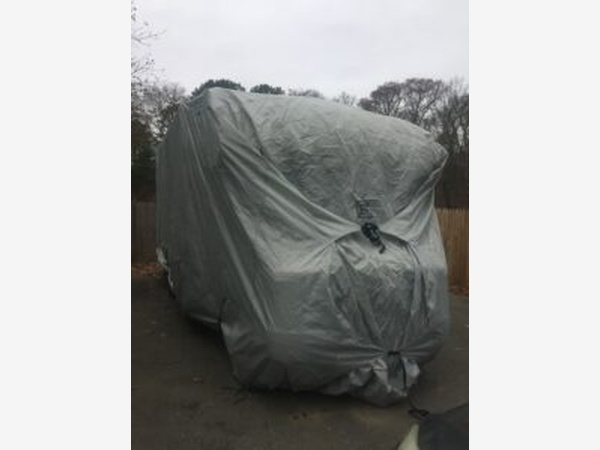
Learning how to plan an RV travel day with kids can make the difference between a stressful drive and an enjoyable part of your family adventure. After traveling together in our RV, we have learned that realistic drive times, planned breaks, prepared meals, and flexibility make the journey easier for everyone.
Travel days are an unavoidable part of RVing, especially when your family is traveling across the country or visiting national parks. They can be exciting, but they can also be tiring and unpredictable. Over the years, we have learned that a successful travel day is not about covering as many miles as possible. It is about reaching the next destination safely while keeping the day manageable for the entire family.
With realistic expectations, planned breaks, food, entertainment, and a little flexibility, the drive can become an enjoyable part of the adventure.
Set a Realistic RV Travel-Day Limit
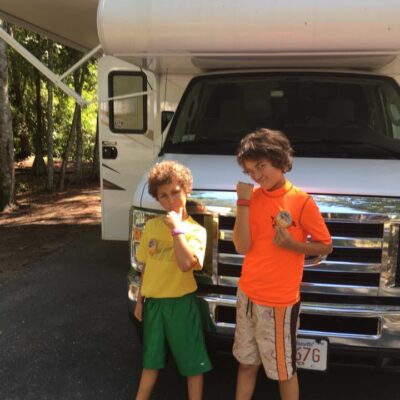
One of the most important decisions is determining how long your family can comfortably travel in one day. We try to limit our travel days to no more than eight hours. That does not mean eight straight hours of driving. Our travel time includes fuel stops, bathroom breaks, lunch, traffic, and time to stretch our legs.
Eight hours is our maximum, not necessarily our goal. When possible, we prefer shorter days that allow us to reach the campground with enough time and energy to set up, eat dinner, and relax.
Remember that traveling with an RV usually takes longer than making the same trip in a car. You may need to drive at a slower speed, stop more frequently, and take additional time when entering fuel stations or parking areas. When estimating your arrival time, build in more time than your navigation app suggests. A four-hour route can easily become a five- or six-hour travel day once stops and traffic are included.
Plan Your RV-Friendly Route Before Leaving
GPS is helpful, but it should not be the only tool you use when planning an RV route. Standard navigation apps may direct you onto roads that are not suitable for a large motorhome or a vehicle towing a camper.
Before leaving, review the route and look for:
- Low bridges or tunnels
- Narrow or restricted roads
- Steep grades
- Construction zones
- Roads with RV or trailer restrictions
- Fuel stations with enough room to maneuver
- Rest areas and safe parking locations
We also identify a few possible stops before beginning the day. Knowing where you can safely get fuel, use the restroom, or take a break makes the trip much less stressful. Cell service can be unreliable near national parks and in rural areas, so downloading maps or taking screenshots of important directions can also be helpful.

Prepare the RV the Night Before
A smooth travel day often begins the night before. We try to complete as much preparation as possible before going to bed so that we are not rushing in the morning.
This may include putting away outdoor furniture, organizing the inside of the RV, checking the route, and packing anything we will need in the tow vehicle. In the morning, we can focus on disconnecting utilities, completing our safety checks, and getting on the road.
Before pulling away, we make sure that:
- Exterior storage compartments are closed and secured.
- Windows, vents, and the RV door are closed.
- Loose items inside the RV are put away.
- Utilities are disconnected.
- Tires and hitch connections are checked.
- Steps and awnings are completely retracted.
- Everyone understands the plan for the day.
Using a written departure checklist can help prevent an important step from being missed.
Explain the Travel Plan to the Kids
Kids generally handle travel better when they know what to expect. Before leaving, let them know how long you expect to be on the road, when you plan to stop, and what they can look forward to at the destination.
For younger children, it may be easier to divide the day into smaller sections. Instead of telling them that the drive will take eight hours, explain that you will drive until the first stop, take a break, continue until lunch, and then begin the final part of the trip. This makes a long travel day feel more manageable and may reduce the number of times you hear, ‘Are we there yet?’
Eat Lunch in the RV During a Planned Stop
Rather than trying to maneuver the RV into a busy restaurant parking lot or relying on fast food, we typically eat lunch in the RV during one of our planned stops.
Once we are safely parked at a rest area or another RV-friendly location, we can use the bathroom, stretch our legs, and have lunch together inside the RV. It gives everyone a chance to get out of the vehicle and take a real break from the road.
Lunch does not need to be complicated. Sandwiches, wraps, fruit, leftovers, or other meals prepared ahead of time work well. Having food ready saves time and money while allowing us to return to the road when everyone is ready.
Most importantly, we only use the RV for lunch after it is safely parked. Everyone remains properly seated and buckled in the tow vehicle whenever we are traveling.
Schedule Regular Travel Breaks
Even when no one urgently needs a bathroom, regular breaks are important. They allow the driver to rest, give the kids an opportunity to move around, and provide time to check the RV.
During a stop, we may:
- Use the restroom.
- Walk around and stretch.
- Check the tires.
- Inspect the hitch and safety connections.
- Confirm that exterior doors are secure.
- Look for anything that may have shifted or loosened.
- Review the remaining route.
A short break can make everyone more comfortable and help the driver remain focused. If someone needs extra time, it is usually better to take it than to push everyone back into the vehicle simply to stay on schedule.
Make the Drive Part of the Adventure
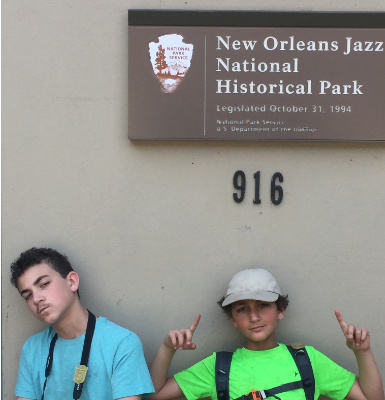
Travel days do not have to be lost days between destinations. Look for opportunities to make the drive interesting. Scenic overlooks, visitor centers, historic markers, roadside attractions, and local restaurants can add something memorable to the day.
Not every stop needs to take several hours. A quick walk, a family photo, or an unusual snack may be enough to break up the drive. Some of the best family memories happen during unplanned stops rather than at the destination itself.
Have a Campground Arrival Plan
Before reaching the campground, review the check-in instructions, campground map, and campsite information. If you expect to arrive after the office closes, confirm the late-arrival process in advance.
When we arrive, the kids remain in a safe location while the RV is being positioned and connected. Once the RV is parked and secure, everyone can help with age-appropriate setup tasks.
It is also helpful to keep the first dinner simple. After a long travel day, preparing a complicated meal is usually the last thing anyone wants to do. A quick meal, something prepared in advance, or an occasional local takeout option can make the evening easier.
Be Willing to Change the Plan
Even the best travel-day plan can be affected by traffic, weather, road construction, mechanical problems, or a child who needs a longer break.
If the day is taking longer than expected, reconsider how far you need to travel. Arriving later than planned or stopping early is better than continuing when the driver or passengers are exhausted. The schedule should support your family, not control the trip.