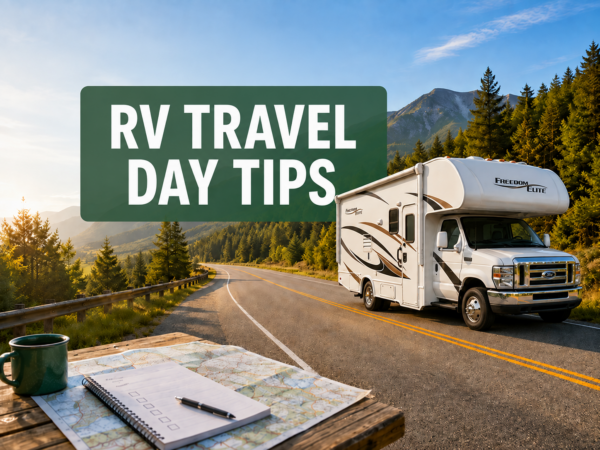
Visiting Washington DC National Park sites in an RV may sound complicated, but it does not have to be. Limited RV parking and heavy traffic can quickly make sightseeing around the National Mall stressful.
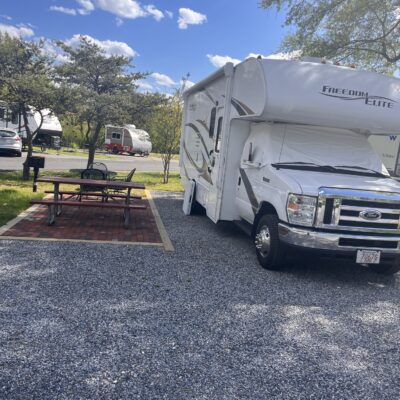
We left our RV at Cherry Hill Park and took public transportation into the heart of Washington, D.C. From there, many of the most meaningful sites were accessible on foot or with short local transit connections.
Our practical solution: Choose an RV campground built for visiting the capital, take transit into the city, and organize the day by geographic area. That simple plan lets you focus on the history instead of worrying about clearance, traffic, and RV parking.
The RV Challenge of Visiting Washington DC
Washington, D.C., looks manageable on a map, but an RV changes the equation. Downtown streets are busy, parking garages may have height restrictions, curbside spaces are rarely suitable for a motorhome, and security closures can affect traffic patterns. Even if you find parking outside the busiest area, you may still have a long walk before the sightseeing begins.
The National Mall also covers more ground than first-time visitors may expect. Major landmarks appear close together in photographs, but a day that includes the U.S. Capitol area, Washington Monument, World War II Memorial, Lincoln Memorial, and museums can involve several miles of walking. Heat, rain, crowds, and tired children can make that distance feel much longer.
Our lesson was clear: the best way to explore Washington DC National Park sites with an RV is to solve the transportation problem before arriving. Once we stopped treating the RV as our vehicle for touring downtown, the entire visit became easier.
Cherry Hill Park Makes the Visit Easier
For RV travelers, Cherry Hill Park in College Park, Maryland, provides a practical home base near Washington, D.C. Instead of driving a large RV into the city, campers can leave their rig at the campground and use public transportation. The campground provides information for reaching the Metro system, and transit options allow visitors to begin and end the day without searching for downtown parking.
This is what makes Cherry Hill Park more than a convenient campground. It addresses the biggest problem RVers face when visiting the capital: how to get close enough to enjoy the sites without taking the RV into an environment that was not designed for it. Returning to a full-service campground after a long day of walking also gives families a comfortable place to rest, recharge, and prepare for the next day.
Planning note: Transit routes, schedules, fares, security rules, and attraction hours can change. Confirm current information with Cherry Hill Park, WMATA, the National Park Service, and each attraction before your visit.
Start With the National Mall

The National Mall is the natural starting point for exploring Washington DC National Park sites. Often called America’s front yard, this broad public landscape connects many of the capital’s best-known memorials, monuments, museums, and civic spaces. The National Park Service manages the National Mall and Memorial Parks, including many locations that tell the country’s story through war, leadership, sacrifice, civil rights, and public service.
Rather than trying to see everything in one rushed day, divide the Mall into sections. Spend one day exploring the western memorials and another visiting the Washington Monument, museums, and Capitol area. This reduces backtracking and leaves time to read exhibits instead of simply taking a photograph and moving on.
Lincoln Memorial
The Lincoln Memorial is one of the most recognizable landmarks in Washington, D.C., but standing inside it feels different from seeing it in photographs. The seated statue of Abraham Lincoln, the inscriptions of the Gettysburg Address and his Second Inaugural Address, and the view east across the Reflecting Pool create one of the capital’s most memorable experiences.
The memorial is also connected to important moments in civil rights history, including Dr. Martin Luther King Jr.’s 1963 “I Have a Dream” speech. Give yourself time to walk around the memorial, look back toward the Washington Monument, and visit the exhibits beneath the memorial when available. Early morning or evening can provide cooler temperatures and a different atmosphere, although transportation timing and current operating information should guide your plan.
Memorials Near the Lincoln Memorial
Several powerful National Park Service locations are within the western portion of the National Mall. The Vietnam Veterans Memorial, Korean War Veterans Memorial, and World War II Memorial can be combined with the Lincoln Memorial in one thoughtfully paced route. The Martin Luther King Jr. Memorial and Franklin Delano Roosevelt Memorial are positioned along the Tidal Basin and can be added if time, weather, and walking ability allow.
These places deserve more than a quick checklist approach. Each site uses names, quotations, sculptures, and landscape design to tell a different part of the American story. Build time into the day for quiet reflection, especially when traveling with children who may need context to understand what the memorials represent.
Washington Monument and the Central Mall
The Washington Monument creates an easy visual reference point while exploring the Mall. Visitors who want to enter the monument should review current National Park Service ticket procedures well before the trip because timed entry and availability may apply. Even without going inside, the surrounding grounds provide excellent views and connect naturally to the World War II Memorial, the White House area, and Smithsonian museums.
Remember that Smithsonian museums and National Park Service sites are managed separately. Museum admission, timed-entry policies, bag rules, and hours can differ. Choose one or two museums that matter most to your family rather than trying to squeeze every building into the same day.
Ford’s Theatre and the Lincoln Story
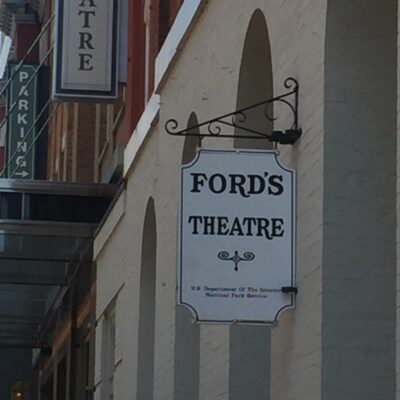
Ford’s Theatre adds another layer to a Lincoln-focused visit. The historic theater is where President Abraham Lincoln was shot on April 14, 1865. The visit may include the museum, the theater, Petersen House across the street where Lincoln died, and exhibits about the aftermath, depending on current ticketing and operating arrangements.
Ford’s Theatre is not directly on the National Mall, so it works best as a planned stop rather than an unplanned detour. Check the official schedule and reserve tickets when required. Ford’s Theatre tells Lincoln’s final hours, while the Lincoln Memorial shows how the nation remembers him.
Other National Park Service Locations to Consider
Washington, D.C., has more National Park Service locations than most visitors realize. Depending on your interests and available time, consider the Thomas Jefferson Memorial, Constitution Gardens, Pennsylvania Avenue National Historic Site, Belmont-Paul Women’s Equality National Monument, African American Civil War Memorial, or Frederick Douglass National Historic Site. Some are close to the Mall, while others require additional transit planning and reservations.
The variety is part of what makes Washington DC National Park sites so rewarding. Families can explore presidential history, military service, civil rights, women’s history, and American democracy in one trip. It is better to select a few sites that connect with your family’s interests than to chase a large location count.
A Simple Two Day RV Itinerary
- Day One Western National Mall: Travel from Cherry Hill Park into Washington, D.C. Begin near the Lincoln Memorial, then visit the Vietnam Veterans Memorial, Korean War Veterans Memorial, World War II Memorial, and Washington Monument grounds. Add the Martin Luther King Jr. Memorial or another Tidal Basin site if your group still has the time and energy.
- Day Two Lincoln History and Museums: Reserve Ford’s Theatre in advance when needed, then continue toward the National Mall. Choose one or two Smithsonian museums or explore the Capitol end of the Mall. Keep the schedule flexible enough for security lines, meals, weather, and unexpected discoveries.
Practical Tips for RV Families
- Leave the RV at the campground. Use transit rather than looking for oversized parking downtown.
- Confirm the final return schedule before entering the city, and allow extra time for transfers.
- Download transit and attraction information before leaving the campground, but verify live service alerts on the day of travel.
- Wear comfortable shoes. Even a carefully planned National Mall day includes significant walking.
- Bring refillable water bottles and weather-appropriate layers, while following current security and bag rules.
- Reserve timed attractions early. Tickets for popular experiences may not be available at the last minute.
- Plan fewer stops than you think you can complete. Meaningful visits take time, and the distances add up.
- Identify restrooms, meal options, and rest breaks before fatigue becomes a problem.
- Use an accessible itinerary when needed. Review current accessibility details for transit and individual sites before traveling.
What We Learned
The biggest lesson from visiting Washington DC National Park sites was that campground choice can determine the quality of the entire trip. A campground with practical access to public transportation removes the pressure to navigate and park an RV downtown. That decision gave us more time and energy for the places we had traveled to see.
Cherry Hill Park made Washington, D.C., feel reachable. We could enjoy the flexibility and comfort of RV travel while using the transportation system that made the most sense for the city. For families who want to combine camping with American history, that balance is difficult to beat.
Final Thoughts
Washington, D.C., is one of the best destinations for understanding how many different stories the National Park Service protects. The National Mall, Lincoln Memorial, war memorials, Washington Monument, and nearby historic locations such as Ford’s Theatre can fill several rewarding days.
For RV travelers, the key is not trying to force the RV into every part of the trip. Stay at Cherry Hill Park, use public transportation, group nearby sites together, and leave room in the schedule to appreciate them. With that plan, visiting Washington DC National Park sites becomes less about traffic and parking and more about history, reflection, and the memories your family will take home.