Our Harpers Ferry RV guide begins with one mistake every RVer should avoid: trying to drive directly into historic Lower Town. Harpers Ferry looks simple on a map, but an RV visit can become frustrating quickly without a plan. The streets are narrow, parking is extremely limited, and the park’s history, museums, trails, and overlooks cover more ground than many first-time visitors expect.
For our visit, we set up camp at the Harpers Ferry/Civil War Battlefields KOA Holiday. We have now stayed at the Harpers Ferry KOA twice, and its location is one of the reasons the area works so well for RV travelers. The campground is only half a mile from the visitor center. From there, we took the park shuttle into historic Lower Town.
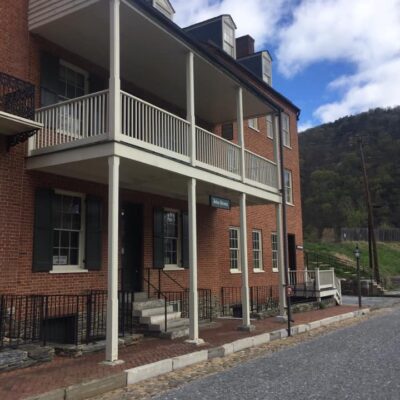
The short shuttle ride—about five minutes during our visit—felt like a transition into another time. Walking into Harpers Ferry, we felt as though we had stepped back into the Civil War era. Restored 19th-century buildings line the Lower Town Historic District, yet the surrounding rivers and mountains are always part of the scene. It immediately felt like more than a collection of museum exhibits; it felt like a town whose location had shaped its entire story.
The biggest lesson in this Harpers Ferry RV guide is straightforward: do not treat Lower Town like an ordinary roadside attraction. Leave the RV at the campground when possible, drive your smaller vehicle to the main visitor center, use the park shuttle, and choose your priorities before you arrive. That simple plan can turn a stressful parking hunt into a memorable family day.
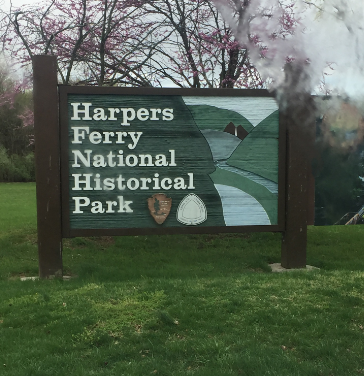
The RVer Problem: A Small Historic Town With Big Logistics
Historic destinations often create a particular problem for RV families. We want the flexibility of traveling in our own rig, but the very features that make an old town interesting—tight streets, steep hills, compact buildings, and limited space—can make it a poor place to maneuver a motorhome or tow vehicle combination.
Harpers Ferry is a perfect example. Navigation apps may direct visitors into town, toward Lower Town, or even toward park headquarters instead of the main visitor center. The National Park Service specifically recommends beginning at the visitor center at 171 Shoreline Drive. Its main lot has hundreds of spaces, including designated oversized spaces, while parking in Lower Town is extremely limited. The historic streets are also narrow and difficult for anything larger than a typical passenger vehicle.
A second challenge is pacing. Harpers Ferry can be a history day, a hiking day, or a combination of both. Trying to see every museum and complete a strenuous overlook hike in a few hours can leave a family tired and rushed.
Our Lesson Learned: Let the Shuttle Solve the Hard Part
The practical answer is to make the main visitor center your base. Park there, speak with a ranger, confirm the day’s operating hours and programs, and ride the shuttle to Lower Town. Shuttle buses generally run every 10 to 15 minutes. The ride is included with the park entrance fee. This avoids the most difficult driving and parking area while giving everyone a clear starting point.
That is exactly what worked for our family. The Harpers Ferry/Civil War Battlefields KOA Holiday is close to the visitor center. That meant we did not have to worry about parking in Lower Town. We used the shuttle and arrived ready to explore. For us, the lesson was clear: a nearby campground and the park transportation system can be part of the experience, not merely logistical details.
If your motorhome is your only vehicle, confirm oversized-space availability and arrive early. If you have a towed car, leave the RV set up at the campground. Pets are not permitted on park shuttles or inside park buildings, so families traveling with dogs should plan accordingly.
What Makes Harpers Ferry Worth the Stop?
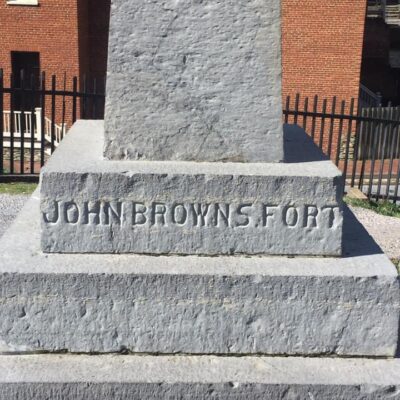
Harpers Ferry’s location at the meeting of two rivers explains much of its importance. The town’s best-known story is John Brown’s 1859 raid against slavery. Although the raid failed militarily, it intensified national conflict before the Civil War. John Brown’s Fort remains an essential stop. The park also interprets Civil War events and the later history of Storer College, an important center of African American education and civil rights.
One of our favorite moments came at the Point, where the Potomac and Shenandoah rivers meet. From there, we could look toward Maryland, Virginia, and West Virginia at the same time. It is a beautiful view, but it also helps explain the history. Standing there made the geography real: Harpers Ferry sat at a crossroads of rivers, states, transportation routes, and opposing forces during the Civil War.
We also learned how quickly the Civil War reached Harpers Ferry. After Virginia voted to secede, federal forces burned the armory and arsenal on April 18, 1861, to keep them from Confederate forces. Seeing the town connected that event to the terrain in a way a textbook never could.
A Practical One-Day Family Plan
- Arrive early at the main visitor center at 171 Shoreline Drive. Confirm shuttle hours, museum openings, ranger programs, and current alerts.
- Ride the shuttle to Lower Town. Our ride took about five minutes. Begin with the historic district, John Brown’s Fort, the armory area, and the river confluence. Read the exhibits rather than racing from building to building; the meaning of Harpers Ferry comes from connecting the stories.
- Choose one additional focus: more Lower Town history, Storer College, Jefferson Rock, or a section of the Appalachian Trail. Save a long hike for a separate day.
- Leave a buffer before the last shuttle. Do not plan to reach the shuttle stop at the final minute. Seasonal shuttle hours vary, so confirm the last departure when you arrive.
Add a Hike Without Overloading the Day
The park has about 22 miles of trails. Virginius Island offers an easier walk through industrial ruins, while Camp Hill and the Appalachian Trail lead toward Jefferson Rock. Maryland Heights provides the famous overlook but is a strenuous, multi-hour hike. Wear supportive shoes, carry water, and check trail alerts before choosing a route.
RV-Friendly Planning Tips
- Leave the rig at your campground when possible. A smaller vehicle is far easier for reaching the visitor center and exploring the surrounding area.
- Use the official visitor center address. This helps prevent GPS directions into Lower Town or to the wrong park building.
- Pack water, snacks, sunscreen, rain protection, and layers before leaving camp.
- Check current hours and alerts. Museums generally operate on daytime schedules, trails have broader daylight access, and shuttle hours vary seasonally.
- Pair Lower Town history with one short walk, or make a longer hike the centerpiece and limit museum time.
- As of August 2026, the standard vehicle fee is $20 for three consecutive days. Verify current fees before traveling.
Is One Day Enough?
One well-planned day is enough for a meaningful introduction, especially if you focus on Lower Town, John Brown’s Fort, the river confluence, and one shorter walk. Two days create a better balance for families who want both history and a longer hike. The three-day entrance-pass window can also support a slower itinerary.
Our two stays at the Harpers Ferry KOA reflect what we appreciate about the area. Its location makes it a practical RV base, and a return visit allows time for trails, overlooks, or nearby National Park Service sites.
The Practical Solution: Use a Three-Part Plan
If you remember only one thing from this Harpers Ferry RV guide, use this three-part plan: park at the visitor center, ride the shuttle, and choose one major theme for the day. That approach solves the biggest RVer problem before it begins. You avoid narrow Lower Town streets, reduce parking stress, and give your family enough time to understand what makes Harpers Ferry important.
Harpers Ferry National Historical Park brings together scenery and stories in a way few places can. The rivers draw you in, but the history asks you to stay, listen, and think. With realistic pacing and a little preparation, it can become one of those National Park Service visits your family continues discussing long after the RV is back on the road.